Minimalist Lifestyle: Meaning, Benefits, and How to Start Living With Less
|
Getting your Trinity Audio player ready...
|
A minimalist lifestyle means living with fewer things and focusing on what truly matters. It is about removing extra items, habits, and stress from your life so you can enjoy peace, clarity, and happiness.
Minimalism is not about being poor or giving up everything. It is about keeping only what adds value to your life. Many people today feel stressed because of too much clutter, too many expenses, and too many distractions. Minimalism helps solve this problem.
In this article, you will learn what a minimalist lifestyle is, why people choose it, its benefits, problems and solutions, examples, and easy steps to start.
What Is a Minimalist Lifestyle Meaning?
A minimalist lifestyle is a way of living where you own less, spend less, and focus more on life experiences instead of material things.
Minimalists believe:
- Less clutter = less stress
- Less spending = more freedom
- Less distraction = more focus
Minimalism applies to:
- Home
- Clothes
- Money
- Work
- Digital life
- Relationships
Why Are People Choosing a Minimalist Lifestyle?
People choose minimalism for many reasons:
- Life feels too busy and stressful
- Too much spending causes financial pressure
- Homes feel crowded and messy
- Social media creates constant distraction
- Mental health needs improvement
Minimalism helps people slow down and live intentionally.
Core Principles of Minimalist Living
1. Intentional Living
You choose things carefully instead of buying randomly.
2. Quality Over Quantity
One good item is better than ten useless ones.
3. Decluttering Regularly
Removing things you do not need or use.
4. Simple Daily Routines
Less chaos, more structure and calm.
Benefits of a Minimalist Lifestyle
Mental Benefits
- Less stress
- Clear thinking
- Better focus
- Improved mental peace
Financial Benefits
- Less spending
- More savings
- Fewer debts
- Better money control
Lifestyle Benefits
- Clean and organized home
- More free time
- Better work-life balance
- More meaningful relationships
Minimalist Lifestyle Examples
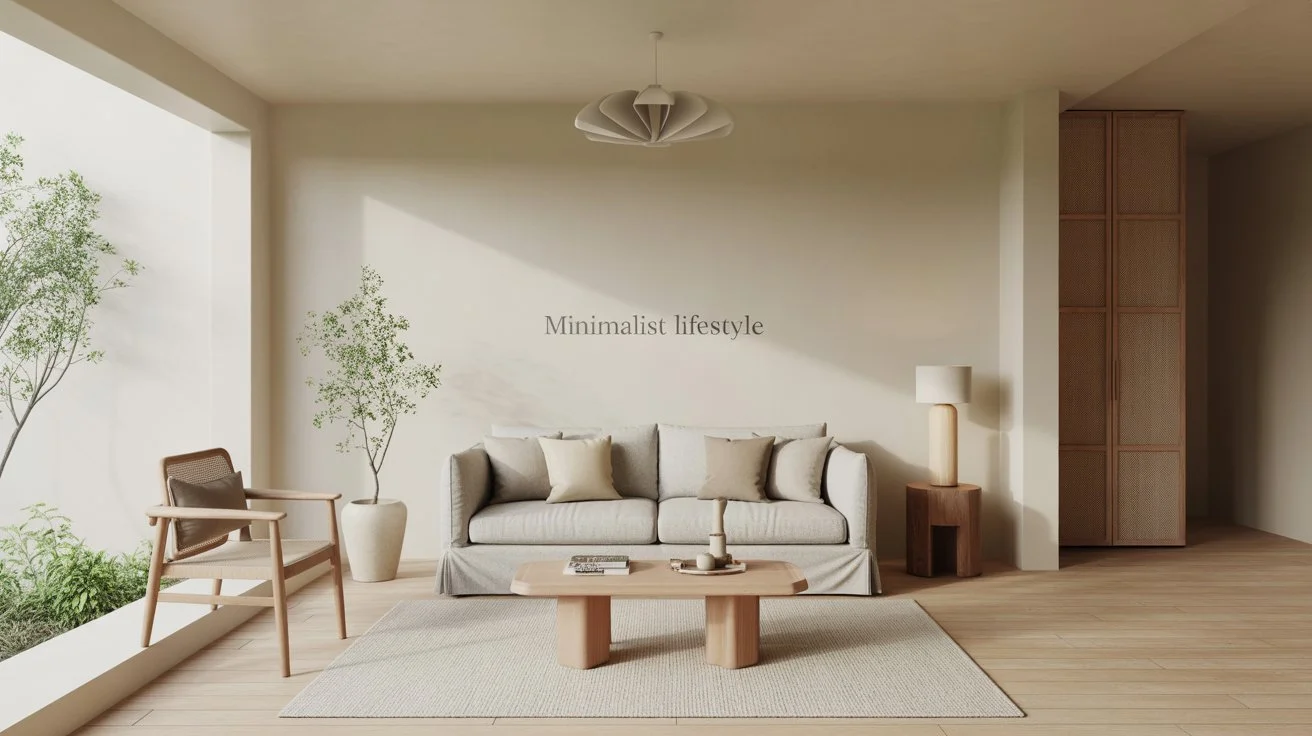
Minimalist Home
- Fewer furniture items
- Neutral colors
- Clean spaces
- No unnecessary decor
Minimalist Wardrobe
- Limited clothes
- Easy outfit choices
- Timeless styles
- Less shopping
Digital Minimalism
- Fewer apps
- Limited social media
- Organized files
- Less screen time
Minimalist Spending
- Buying only what you need
- Avoiding impulse shopping
- Saving for goals
How to Start a Minimalist Lifestyle (Step-by-Step Guide)
Step 1: Declutter Your Space
- Start with one room
- Remove unused items
- Donate or recycle
Step 2: Simplify Your Wardrobe
- Keep clothes you wear often
- Remove clothes not worn in 1 year
Step 3: Control Spending
- Make a budget
- Stop unnecessary purchases
- Track expenses
Step 4: Reduce Digital Clutter
- Delete unused apps
- Unfollow negative accounts
- Turn off notifications
Step 5: Focus on Experiences
- Spend time with family
- Travel mindfully
- Learn new skills
Minimalist Lifestyle for Beginners
If you are new to minimalism:
- Start slow
- Do not compare yourself
- Minimalism looks different for everyone
- Progress matters, not perfection
Common Problems & Solutions in Minimalism
Problem: Fear of Letting Go
Solution: Start with small items and build confidence.
Problem: Family Doesn’t Support
Solution: Focus on your own space first.
Problem: Feeling Too Restrictive
Solution: Minimalism is flexible, not strict.
Problem: Emotional Attachment
Solution: Keep memories, not objects.
Pros and Cons of a Minimalist Lifestyle
Pros
- Less stress
- Better finances
- Clean environment
- More freedom
Cons
- Takes time to adjust
- Hard to let go initially
- Social pressure
Minimalist Lifestyle vs Traditional Lifestyle
| Feature | Minimalist Lifestyle | Traditional Lifestyle |
| Spending | Controlled | High |
| Home | Clean & simple | Cluttered |
| Stress | Low | High |
| Focus | High | Low |
| Happiness | Internal | Material-based |
Tips to Maintain a Minimalist Lifestyle
- Follow the “one in, one out” rule
- Buy only after thinking
- Review your belongings monthly
- Focus on needs, not wants
- Stay mindful
Is Minimalist Lifestyle Good for Everyone?
Minimalism is good for:
- Busy professionals
- Students
- Families
- People with stress or debt
But it is not about copying others. You can choose your own version of minimalism.
FAQs About Minimalist Lifestyle
Q1: Is minimalism about owning nothing?
No, it is about owning what matters.
Q2: Can families live a minimalist life?
Yes, minimalism works for families too.
Q3: Does minimalism save money?
Yes, it helps reduce spending and increase savings.
Q4: Is minimalism boring?
No, it creates freedom and peace.
Q5: How long does it take to become minimalist?
It is a gradual and ongoing process.
Conclusion
A minimalist lifestyle helps you live a calm, focused, and meaningful life. By owning less and choosing wisely, you gain more time, money, and peace.
Minimalism is not about sacrifice. It is about freedom, clarity, and intentional living. Start small, stay consistent, and enjoy the benefits of living with less.