Emotion Wheel: How to Use It to Improve Emotional Well-Being
|
Getting your Trinity Audio player ready...
|
Understanding our emotions is not always easy. Sometimes we feel angry, sad, or confused, but we don’t know the exact reason. This is where the emotion wheel helps.
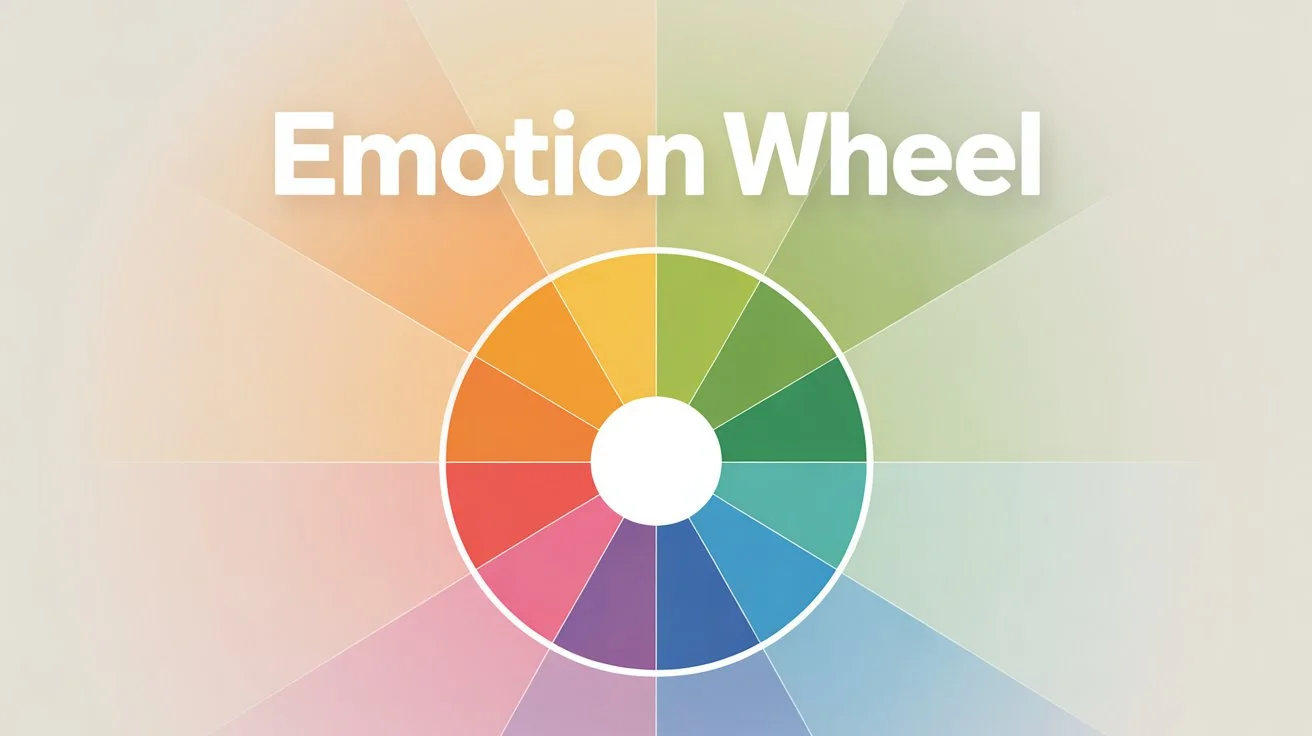
The emotion wheel is a simple tool that helps you identify, understand, and manage your emotions. It shows different emotions in a visual form so you can clearly name what you are feeling. When you understand your emotions, you can control your reactions, reduce stress, and improve your mental well-being.
In this article, we will explain the emotion wheel in simple words, how it works, and how you can use it in daily life.
What Is the Emotion Wheel?
The emotion wheel, also called the feelings wheel, is a circular chart that shows different human emotions and how they are connected.
It was created by psychologist Robert Plutchik. He believed that all emotions come from a few basic feelings. The wheel helps people move from general emotions to specific emotions.
Main Purpose of the Emotion Wheel
- To identify emotions clearly
- To improve emotional awareness
- To help express feelings in words
- To support emotional well-being
How the Emotion Wheel Works
The emotion wheel is divided into three layers, moving from simple to intense emotions.
1. Primary Emotions
These are the core emotions at the center of the wheel:
- Joy
- Sadness
- Anger
- Fear
- Trust
- Disgust
- Surprise
- Anticipation
These emotions are the base of all other feelings.
2. Secondary Emotions
Secondary emotions are milder or mixed versions of primary emotions.
For example:
- Fear → Apprehension
- Joy → Serenity
- Anger → Annoyance
3. Tertiary Emotions
These emotions are stronger or more intense forms:
- Fear → Terror
- Joy → Ecstasy
- Sadness → Grief
This structure helps you move from “I feel bad” to “I feel disappointed or anxious.”
Why the Emotion Wheel Is Important
Understanding emotions is important for both mental health and relationships.
Key Benefits of the Emotion Wheel
- Helps you understand what you’re feeling
- Reduces emotional confusion
- Improves communication
- Supports stress management
- Builds emotional intelligence
How to Use the Emotion Wheel (Step-by-Step Guide)
Step 1: Pause and Check Your Feelings
When you feel uncomfortable, stressed, or emotional, stop for a moment and ask:
“What am I feeling right now?”
Step 2: Identify the Primary Emotion
Look at the center of the wheel and choose the closest emotion, such as anger or sadness.
Step 3: Move to Specific Emotions
Go outward on the wheel to find a more accurate feeling, such as:
- Angry → Frustrated
- Sad → Disappointed
- Fear → Anxious
Step 4: Name the Emotion
Say it clearly:
“I feel anxious”
“I feel disappointed”
Naming emotions helps calm the mind.
Step 5: Take Action
Once you understand your emotion, decide what to do:
- Take rest
- Talk to someone
- Write in a journal
- Practice breathing
Common Emotional States Explained
Here are some emotions people often confuse:
| Situation | Emotion |
| Feeling tired of work | Burnout |
| Feeling uneasy | Anxiety |
| Feeling hurt quietly | Disappointment |
| Feeling angry inside | Frustration |
The emotion wheel helps separate these feelings clearly.
Emotion Wheel for Mental Well-Being
Using the emotion wheel regularly improves mental health by:
- Reducing stress
- Improving emotional control
- Preventing emotional burnout
- Increasing self-confidence
When emotions are understood, the mind becomes calmer.
Emotion Wheel in Daily Life
At Work
- Understand stress and pressure
- Communicate better with colleagues
- Reduce workplace conflict
In Relationships
- Express feelings clearly
- Avoid misunderstandings
- Build emotional connection
For Children
- Helps kids learn emotional words
- Encourages healthy emotional expression
- Improves emotional learning
Tips to Use the Emotion Wheel Effectively
- Keep a printed emotion wheel at home
- Use it during stressful moments
- Practice daily emotional check-ins
- Encourage children to use it
- Combine it with journaling
Problems & Solutions While Using the Emotion Wheel
Problem 1: “I can’t identify my emotion”
Solution: Start with basic emotions and move slowly outward.
Problem 2: “Too many emotions at once”
Solution: Pick the strongest emotion first.
Problem 3: “I ignore my emotions”
Solution: Practice emotional check-ins daily.
Benefits of Using the Emotion Wheel
- Better emotional awareness
- Improved emotional regulation
- Stronger relationships
- Higher emotional intelligence
- Improved mental well-being
Frequently Asked Questions (FAQs)
1. What is the emotion wheel used for?
It helps identify, understand, and manage emotions.
2. Who created the emotion wheel?
Psychologist Robert Plutchik created it.
3. Can children use the emotion wheel?
Yes, it is very helpful for children.
4. Does the emotion wheel help mental health?
Yes, it supports emotional balance and stress control.
5. How often should I use the emotion wheel?
Daily or whenever you feel emotionally confused.
Conclusion
The emotion wheel is a powerful yet simple tool to understand your emotions. When you learn to identify what you feel, you gain control over your reactions, improve relationships, and support your mental well-being.
Using the emotion wheel regularly helps you stay emotionally balanced, calm, and aware in daily life. Start today, and take one step closer to emotional clarity and personal growth.