Best Paint for Kitchen Cabinets Without Sanding
|
Getting your Trinity Audio player ready...
|
Updating your kitchen does not always mean breaking tiles or buying new cabinets.
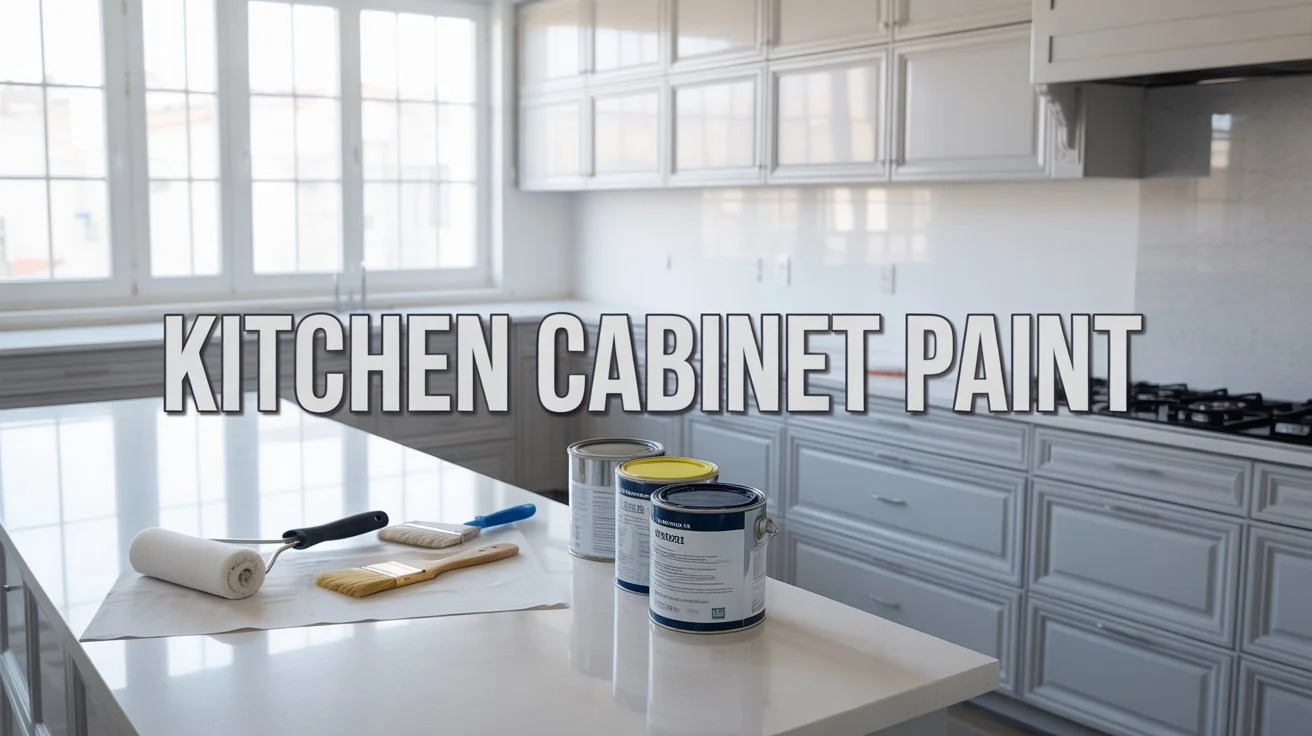
Sometimes, just painting your kitchen cabinets can completely change the look of your kitchen.
But many people stop because of one scary word: sanding.
The good news?
👉 You can paint kitchen cabinets without sanding if you choose the right paint and follow the correct steps.
This guide will help you understand:
- Which paints work best without sanding
- How to paint cabinets step by step
- Pros and cons of skipping sanding
- Tips for a smooth, professional finish
Let’s make your kitchen look new—without dust and hard work.
Why Choosing the Right Cabinet Paint Matters
Kitchen cabinets are used every day.
They face:
- Heat
- Moisture
- Oil and grease
- Constant touching
That’s why regular wall paint is not enough.
Right cabinet paint helps to:
- Prevent peeling and chipping
- Keep color fresh for years
- Handle daily cleaning
- Give a smooth, professional look
Good paint saves you money and effort in the long run.
Can You Really Paint Cabinets Without Sanding?
Yes, you can.
Modern paints are made with:
- Strong bonding technology
- High adhesion formulas
These paints stick well even on glossy or old surfaces, if cleaned properly.
👉 Sanding is optional, not compulsory.
Best Types of Paint for Cabinets Without Sanding
Below are the top paint types that work well without sanding.
1. Chalk Paint
Chalk paint is one of the easiest options for beginners.
Why it works
- Sticks to most surfaces
- No sanding or priming needed
- Matte, soft finish
Best for
- Rustic kitchens
- Farmhouse style
- Vintage or shabby chic look
⚠ Needs wax or topcoat for protection.
2. Milk Paint (With Bonding Agent)
Milk paint is eco-friendly and natural.
Why it works
- With bonding agent, it sticks well
- Low smell
- Unique textured look
Best for
- Antique finishes
- DIY lovers
- Traditional kitchens
3. Acrylic or Enamel Paint
These paints give a strong and smooth finish.
Why it works
- Dries hard
- Easy to clean
- Water-based options available
Best for
- Modern kitchens
- Daily heavy use
- Smooth cabinet look
4. Cabinet-Specific Paints (Best Choice)
These paints are specially made for cabinets.
Why it works
- No sanding required
- Strong adhesion
- Professional finish
Best for
- Long-term results
- Busy kitchens
- First-time DIYers
What Is Waterborne Alkyd Paint? (Simple Explanation)
Waterborne alkyd paint combines the best of both worlds.
Benefits
- Looks like oil paint
- Cleans with water
- Low smell
- Does not yellow
- Very durable
👉 This is what professionals prefer for cabinets.
Best Paint Brands for Cabinets Without Sanding
Here are trusted options that save time and effort:
- Benjamin Moore Advance – smooth and durable
- Sherwin-Williams Emerald Urethane – stain resistant
- Behr Alkyd Enamel – beginner friendly
- Rust-Oleum Cabinet Transformations – no sanding system
- Annie Sloan Chalk Paint – best for vintage look
All these brands work well without sanding when used correctly.
How to Paint Kitchen Cabinets Without Sanding (Step-by-Step)
Follow these steps for best results.
Materials Needed
- Degreaser or dish soap
- Screwdriver
- Painter’s tape
- Drop cloth
- Bonding primer (optional)
- Cabinet paint
- Foam roller or brush
- Topcoat (optional)
Step 1: Clean Cabinets Properly
This is the most important step.
- Remove grease and oil
- Use degreaser or soap
- Dry completely
👉 Paint sticks to clean surfaces, not dirty ones.
Step 2: Remove Doors & Hardware
- Take off handles and hinges
- Label doors for easy re-fitting
- Lay flat for smooth painting
Step 3: Protect Surroundings
- Cover counters and floors
- Tape walls and edges
Step 4: Apply Primer (If Needed)
Use bonding primer if:
- Cabinets are glossy
- Old varnish is present
Skip primer only if paint says “no primer needed.”
Step 5: Paint Cabinets
Brush or Roller Method
- Use foam roller
- Apply thin coats
- Avoid over-brushing
Spray Method
- Gives factory finish
- Apply light layers
- Allow proper drying
👉 Apply 2–3 thin coats, not one thick coat.
Step 6: Let Paint Cure
- Dry time: 24–48 hours
- Full cure: 5–7 days
- Avoid heavy use during curing
Benefits of Painting Cabinets Without Sanding
- Saves time
- No dust mess
- Beginner friendly
- Less physical work
- Cost effective
- Faster kitchen makeover
Common Problems & Solutions
Problem 1: Paint peeling
Solution: Clean better and use bonding primer
Problem 2: Brush marks
Solution: Use foam roller and thin coats
Problem 3: Sticky finish
Solution: Allow proper drying time
Problem 4: Uneven color
Solution: Apply one extra thin coat
Pros and Cons of Painting Without Sanding
Pros
- Easy process
- Less preparation
- No sanding tools needed
Cons
- Prep must be perfect
- Slightly less durable if rushed
👉 With correct steps, results are excellent.
Best Cabinet Paint Colors (2025 Trends)
Popular choices include:
- Soft sage green
- Warm greige
- Navy blue
- Matte black
- Creamy off-white
These colors suit Indian kitchens well and match most tiles and countertops.
Expert Tips for a Smooth Finish
- Paint in good lighting
- Use quality brushes
- Don’t rush drying
- Paint in moderate weather
- Apply topcoat for extra protection
FAQs
Can I paint glossy cabinets without sanding?
Yes, with proper cleaning and bonding primer.
How long will paint last without sanding?
5–10 years with good paint and care.
Is a topcoat necessary?
Not compulsory, but recommended for durability.
Which paint is best for beginners?
Chalk paint or cabinet-specific paint.
Can I use wall paint on cabinets?
No, wall paint is not strong enough.
Conclusion
Painting kitchen cabinets without sanding is a smart and practical DIY solution.
With the right paint, proper cleaning, and patience, you can:
- Save money
- Save time
- Avoid mess
- Upgrade your kitchen beautifully
Whether you choose chalk paint for charm or alkyd enamel for a modern look, your kitchen cabinets can look brand new—without sanding at all.