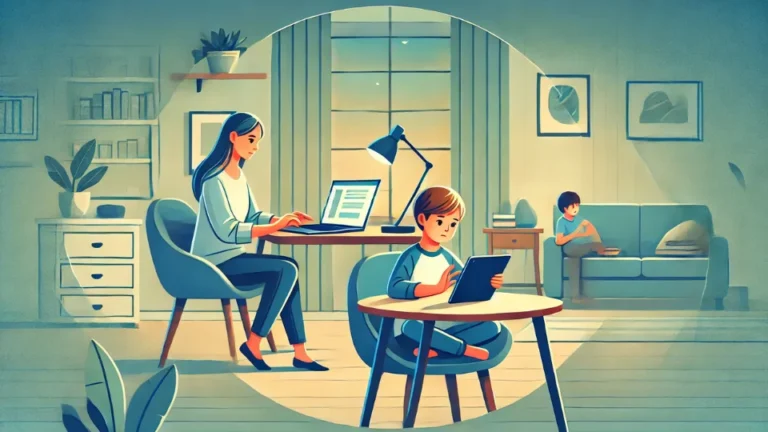
10 Signs Your Kid Has Screen Addiction and What To Do About It

|
Getting your Trinity Audio player ready...
|
Today most kids use phones, tablets, YouTube, and games more than ever. For many Indian parents, screen time has become a daily struggle. If your child gets angry when you take their phone or they prefer screens over studies, friends, or sleep—these are not “normal habits.”
These can be early signs of screen addiction.
In this article, we will explain:
- What screen addiction means
- The top 10 signs your kid might be addicted
- Screen withdrawal symptoms
- A comparison between healthy vs unhealthy screen use
- Simple tips for parents
- FAQs parents ask
- How to help kids build a healthy relationship with technology
Let’s begin.
What Is Screen Addiction?
Screen addiction means:
A child cannot control their screen use and keeps choosing phone/tablet even when it harms their life.
Screens include:
- Smartphones
- Tablets
- Laptops
- Gaming devices
- TV
Why does Addiction Happen?
Because screens release dopamine, a “feel-good chemical” that keeps kids wanting more. Games, reels, YouTube shorts, and social media are designed to keep kids hooked.
Kids are even more vulnerable because their brains are still developing.
10 Signs Your Kid Has Screen Addiction
Below are the top warning signs parents should watch for.
They Choose Screens Over Real Activities
If your child avoids:
- Playing outside
- Meeting friends
- Family time
- Hobbies
- School events
…and only wants phone/tablet, it is a strong sign of addiction.
Screens start replacing real-life experiences.
Anger or Meltdowns When Screen Is Taken Away
If you hear:
- “Just 5 minutes more!”
- “Why are you taking it!”
- “I’m bored!”
Or if your kid becomes:
- Angry
- Irritable
- Emotional
This shows emotional dependence on screens.
They Cannot Stop Even When They Want To
When kids say they’ll stop but keep scrolling again and again, it shows loss of control—a key sign of addiction.
Their brain keeps wanting that dopamine hit.
They Use Screens to Manage Emotions
Many kids use screens when they feel:
- Bored
- Sad
- Angry
- Lonely
- Nervous
If a screen is their only way to calm down, the risk of addiction is very high.
Sleep Problems Begin
Signs include:
- Staying awake late with devices
- Sneaking screens at night
- Trouble waking up
- Tiredness during school
- Dark circles
Blue light and overstimulation harm sleep.
Loss of Interest in Hobbies
Addicted kids slowly stop enjoying:
- Drawing
- Reading
- Sports
- Playing outside
- Family outings
Screens become their only source of fun.
Avoiding Social Interactions
Your child might:
- Cancel plans
- Skip school events
- Avoid relatives
- Not want to talk
- Stay alone in their room with devices
This shows real-world disconnection.
Drop in School Performance
Warning signs:
- Difficulty focusing
- Low grades
- Forgetting homework
- Rushing assignments
- Daydreaming about games/videos in class
Too much screen time affects memory, attention, and learning.
Anxiety or Restlessness Without Screens
If your child:
- Feels nervous
- Keeps checking pockets
- Says they’re “missing something”
- Worries about missing notifications
- Gets bored very fast
These are withdrawal symptoms (like addiction to any substance).
Screen Time Keeps Increasing
If 30 minutes becomes 1 hour, then 3 hours, then more, and the child still wants more—this is progressing addiction.
Their brain becomes used to high dopamine and wants more every day.
Screen Withdrawal Symptoms in Kids
When parents reduce screen time, kids may show:
- Anxiety
- Moodiness
- Irritation
- Boredom
- Restlessness
- Trouble sleeping
- Headache
- Constant desire to check devices
The good news:
Withdrawal usually lasts only a few days to a week.
After that, kids become calmer and more active.
Healthy vs Unhealthy Screen Use (Comparison Table)
| Behavior | Healthy Screen Use | Unhealthy / Addicted Screen Use |
| Time | Limited and controlled | Increasing daily |
| Emotions | No anger when stopped | Anger, tantrums, anxiety |
| Social Life | Plays, meets friends | Avoids social interactions |
| Sleep | Sleeps normally | Stays awake late, tired |
| Studies | Focused | Declining grades |
| Interests | Many hobbies | Only interested in screens |
| Control | Can stop easily | Cannot stop even if told |
How To Help Your Kid Reduce Screen Addiction
Here are simple steps Indian parents can follow.
Make Screen Rules Together
Kids follow rules better when they feel included.
Discuss and agree on:
- When screens are allowed
- How long
- No screens during meals
- No screens in the bedroom
Use timers if needed.
Bring Back Real Activities
Encourage:
- Cycling
- Park visits
- Sports
- Drawing
- Reading
- Family games
- Weekend outings
Kids need fun alternatives to replace screens.
Allow Boredom — It Is Good
Boredom helps kids:
- Become creative
- Think independently
- Build problem-solving skills
- Stay calm
- Improve focus
Not every minute should be filled with screens.
Reduce Your Own Screen Use (Lead by Example)
Kids copy what they see.
If parents stay on phones all day, kids will do the same.
Show healthy habits like:
- No phone during meals
- Full attention during conversations
- Limited scrolling time
Seek Professional Help When Needed
If addiction becomes severe, talk to:
- Pediatrician
- Child psychologist
- School counselor
There is no shame in getting support.
Tips for Parents
- Start reducing screen time slowly, not suddenly
- Remove unnecessary apps and games
- Keep devices away during homework
- Use apps that track screen time
- Keep phone charging outside the bedroom
- Replace screens with hobbies
- Plan family outdoor time
- Praise your child for following rules
FAQs
1. How many hours of screen time is OK for kids?
For most kids, 1–2 hours of high-quality screen time is fine. Avoid unlimited access.
2. Can screen addiction affect mental health?
Yes. It can lead to anxiety, sadness, low self-esteem, and sleep problems.
3. How do I reduce my child’s screen time without fights?
Do it slowly, set rules together, and offer fun alternatives like sports or outings.
4. Is screen addiction the same as phone addiction?
Yes. Phones are the most common device kids get addicted to.
5. My child gets angry without screens. Is this normal?
Mild irritability is common, but strong meltdowns may indicate addiction or withdrawal.
Conclusion
Screen addiction is becoming common among kids and teens, but it is not impossible to fix. By understanding the 10 signs of screen addiction, parents can take early action and help their kids return to healthier habits. With simple rules, more real-life activities, and positive support, your child can build a balanced and happy relationship with technology.